

Blog
Technical articles on PCB design, manufacturing, and industry best practices. Written by our engineering team.
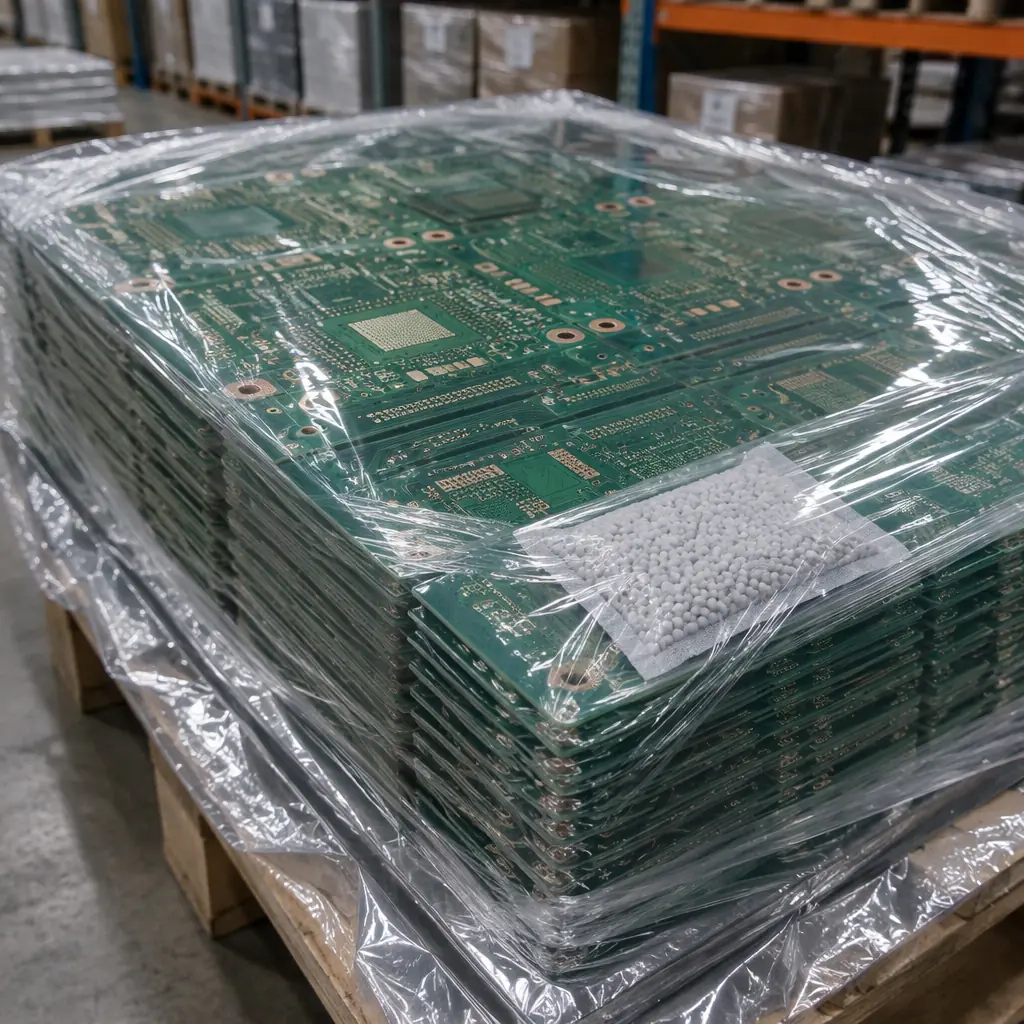
Most bare board scrap is caused after the boards are manufactured. What handling damage looks like, which clauses in a PO decide responsibility, and how to apportion it.
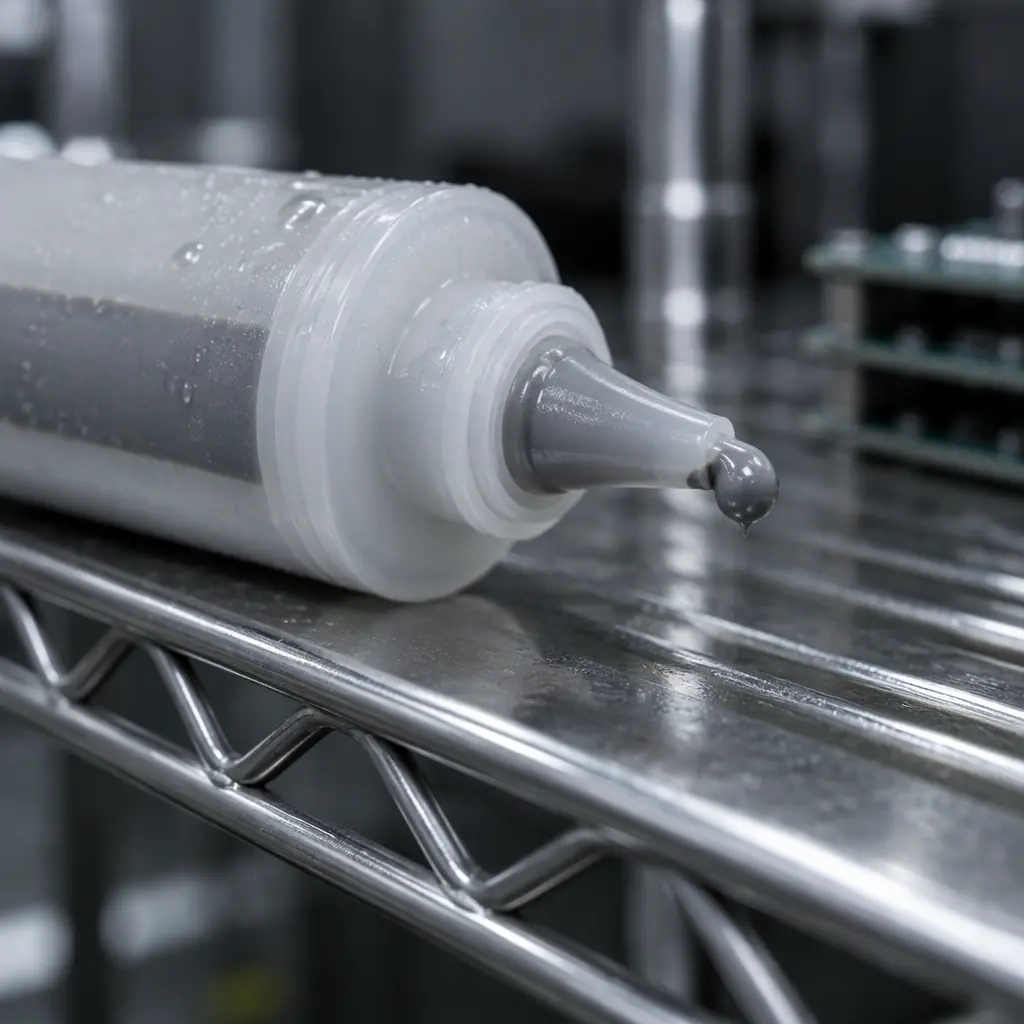
How room temperature, refrigeration and floor time expire a solder paste lot, what to test before an expired lot is scrapped, and the PO wording that decides who pays.
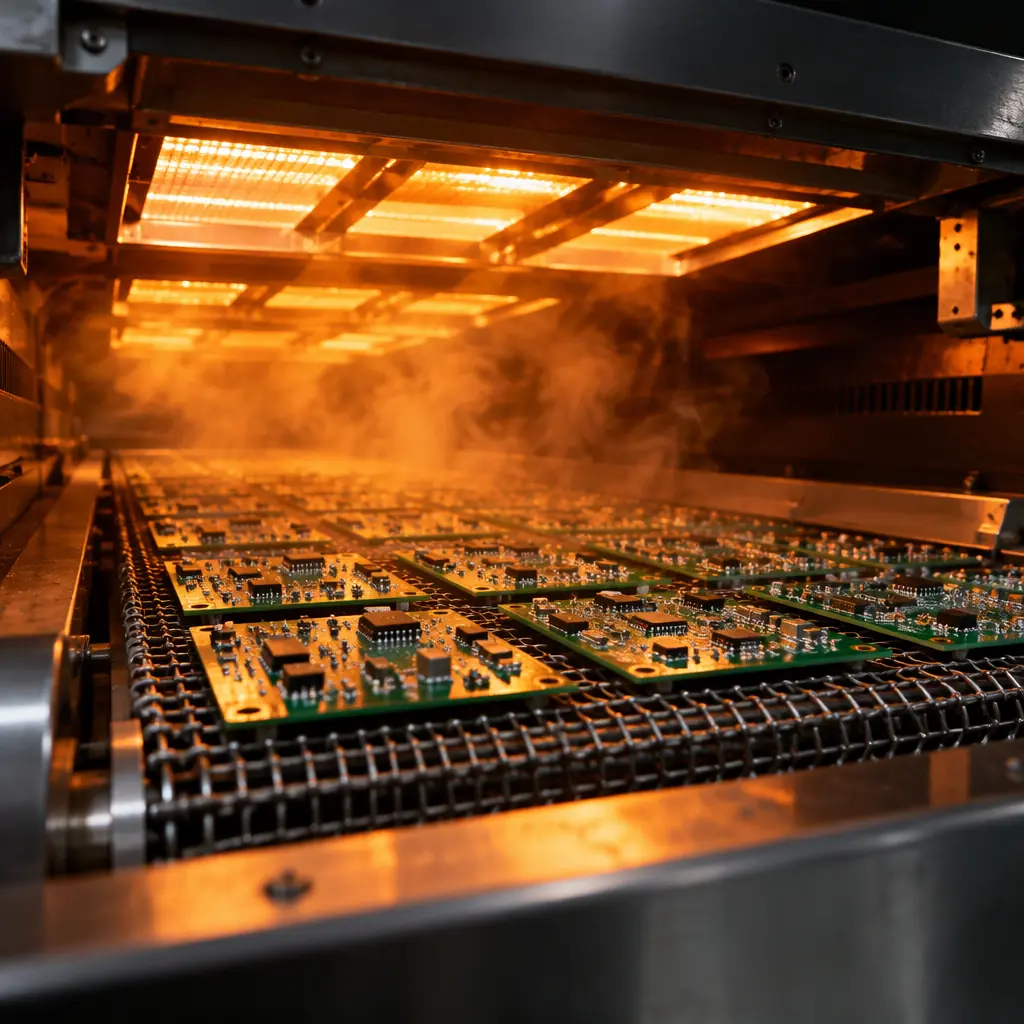
A PWI of 60 percent can still hide a marginal joint. What the index weights, when a profile must be re-verified, and the evidence a buyer can audit in a reflow report.
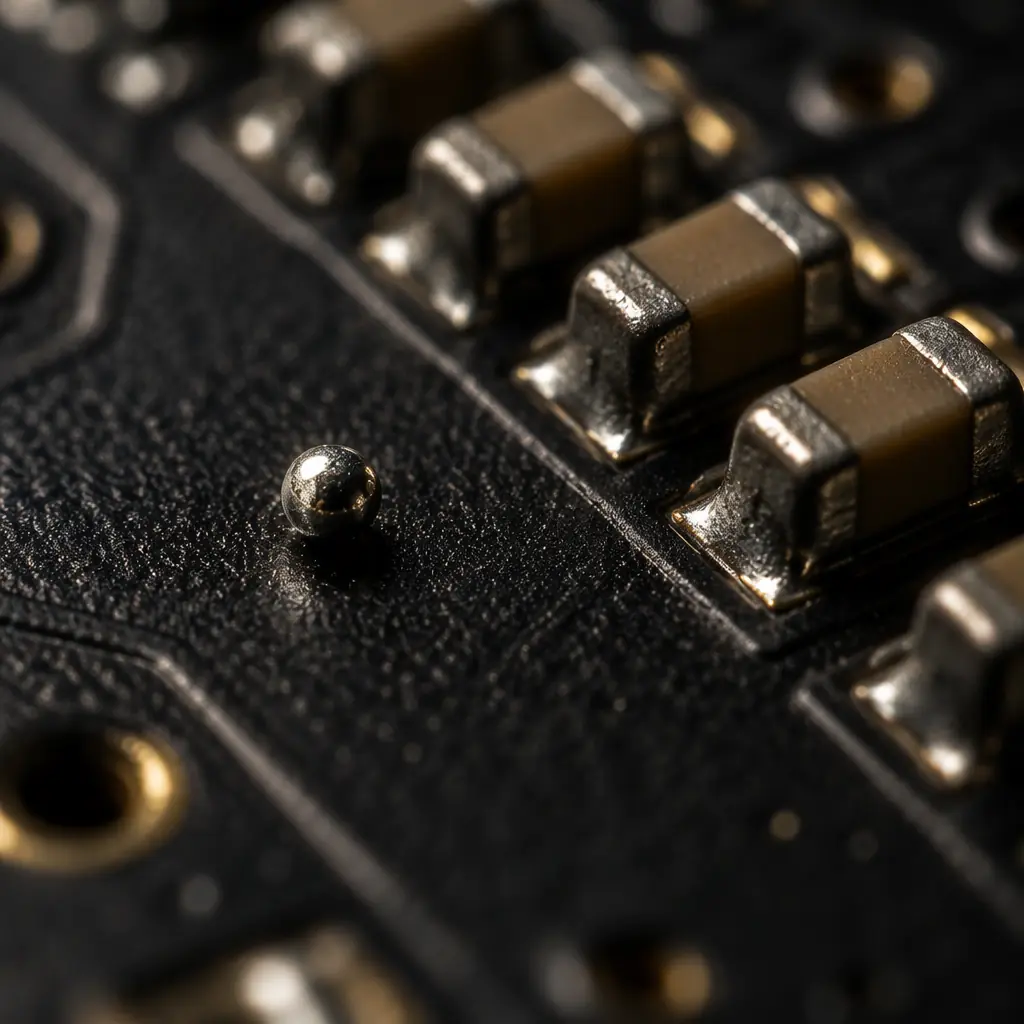
Where foreign object debris comes from on a PCBA build, which inspection catches each type, what detection costs, and the PO clause assigning liability.
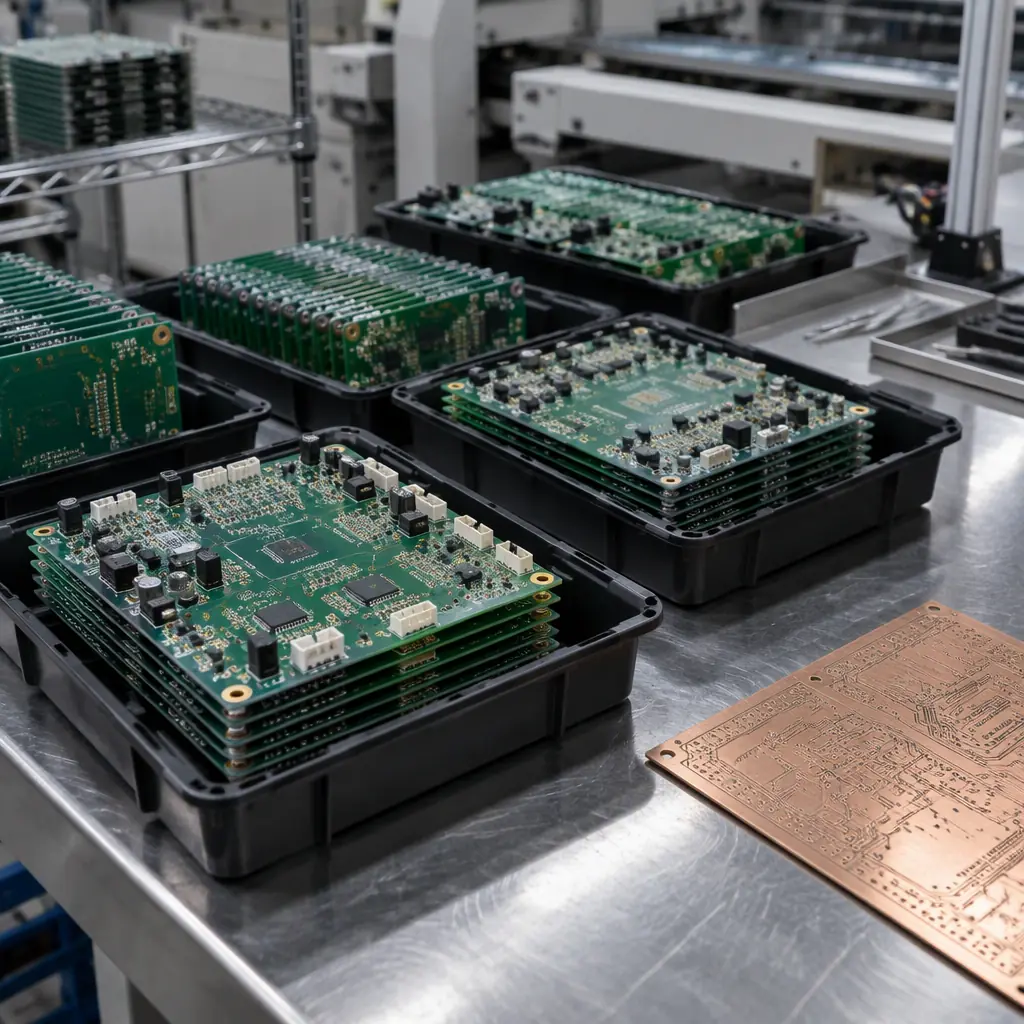
What an engineering change costs at each WIP stage: sunk value, cut-in versus scrap-through break-even, tooling re-charge and the six-line ECO cost clause.
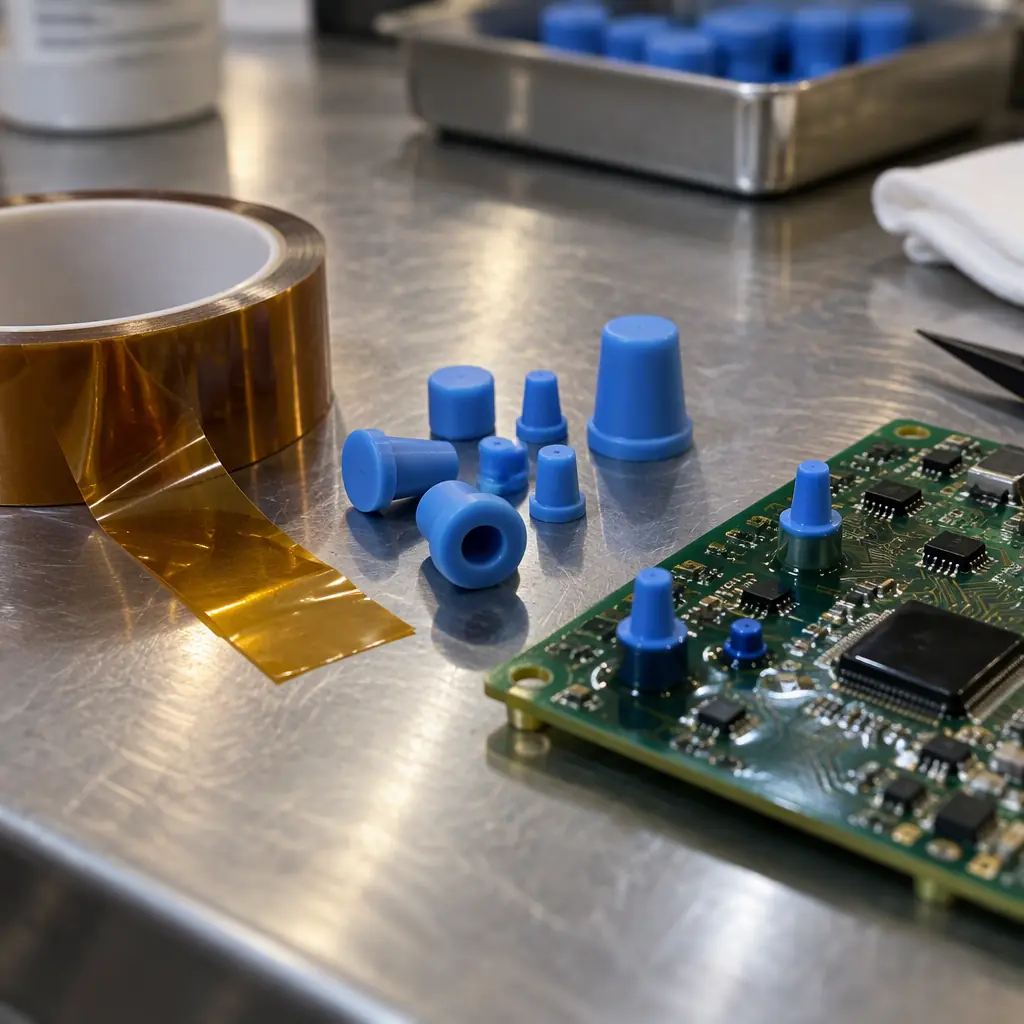
Masking labour, not coating material, sets the cost of high-mix conformal coating. Changeover times, boot amortisation at 10 to 1000 boards a year, and the data package.
How to calculate solder paste grams per board, where 35 to 60 percent of paste is lost, which losses are legitimate, and how to audit a supplier paste consumption claim.
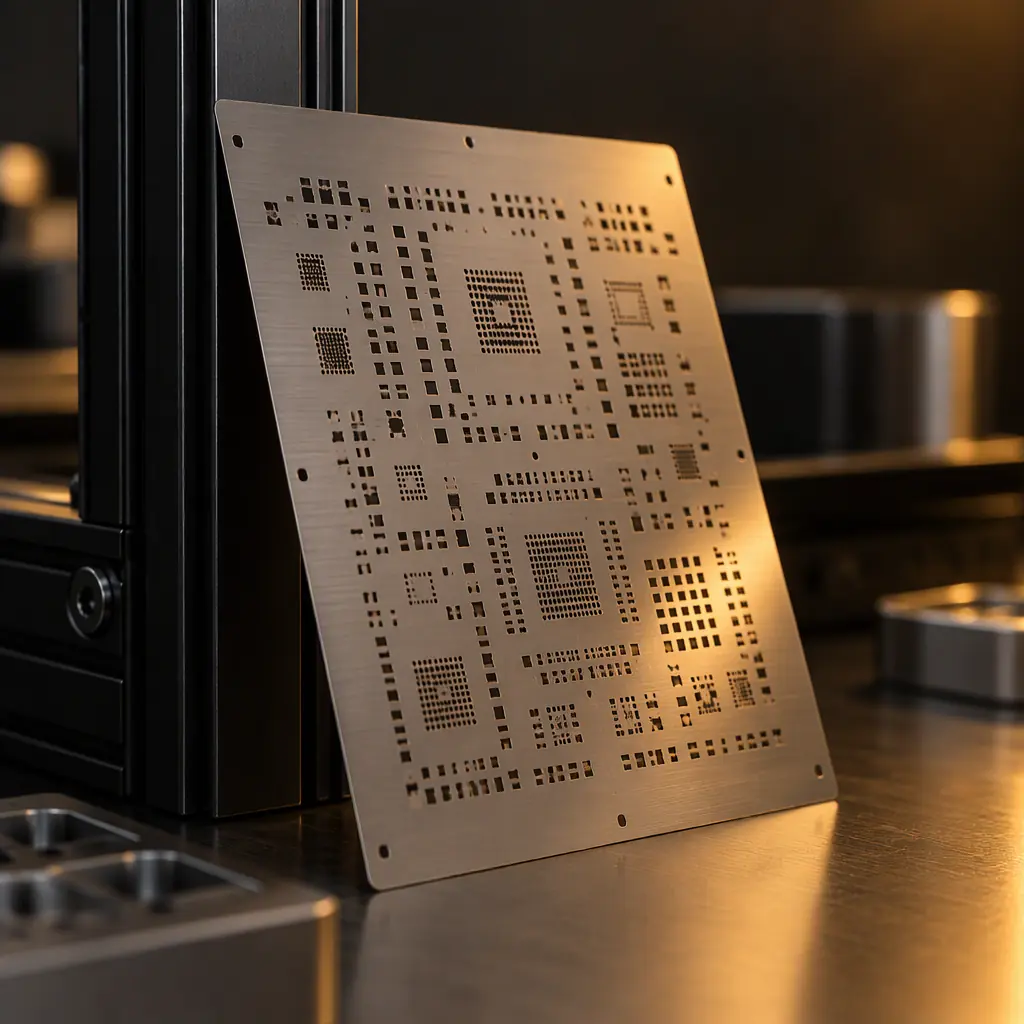
How stencil foil thickness sets paste volume per joint, area ratio limits by thickness, transfer efficiency by aperture size, and how to specify thickness in a PO.
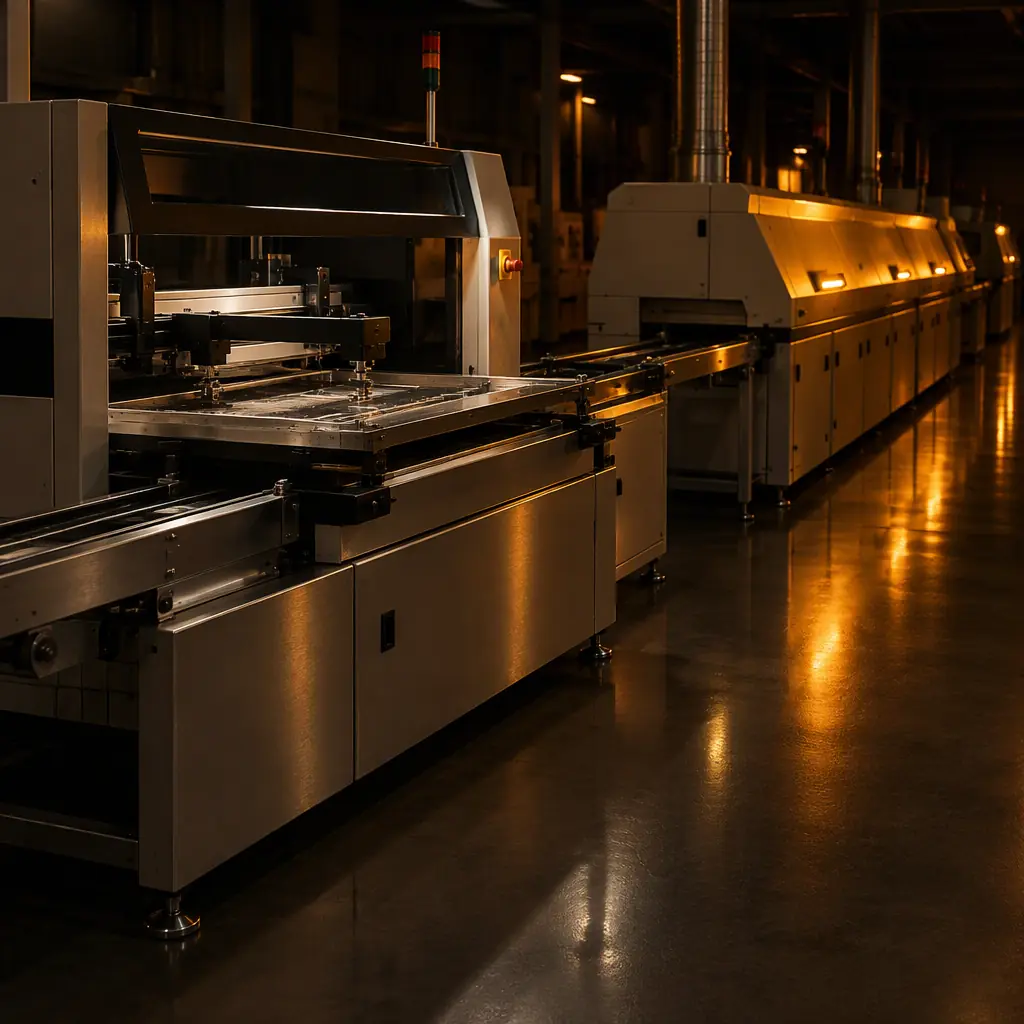
What to decide when an SMT line stops mid-batch: paste working life, stencil dwell, paste abandon rules, reflow requalification and the quarantine gate after restart.

Upload your Gerber files and BOM. We'll respond within 24 hours with a detailed quote and free DFM review.